Replacing missing teeth is about more than restoring a smile—it’s about comfort, confidence, and long-term oral health. If you’re exploring tooth replacement options, you’ve likely come across both traditional dental implants and mini dental implants. While they serve a similar purpose, they are not the same solution for every patient.
For residents of Peabody and nearby North Shore communities, understanding these differences is especially important when choosing care that fits your lifestyle, health needs, and long-term goals. Many patients researching Dental Implant Repair Peabody services are often surprised to learn how implant type plays a role not only in replacement, but also in maintenance and longevity.
Let’s break down the key differences in a clear, practical way so you can make a confident, informed decision.
What Are Dental Implants?
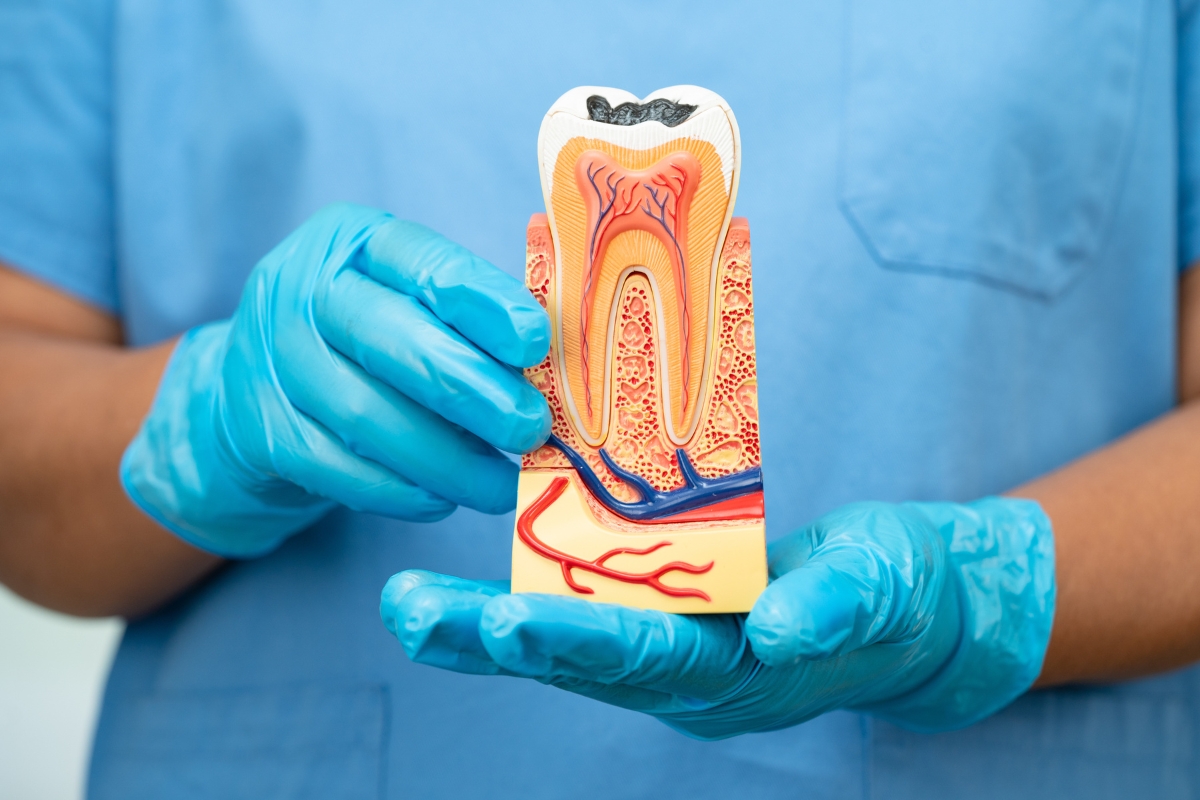
Traditional dental implants are titanium posts surgically placed into the jawbone to replace missing tooth roots. Once healed, they support crowns, bridges, or dentures that look and function like natural teeth.
Key features of traditional dental implants:
-
Typically 3.5–6 mm in diameter
-
Designed to fully integrate with the jawbone
-
Known for strength, durability, and long-term stability
-
Often require sufficient bone density or bone grafting
These implants are widely considered the gold standard for tooth replacement and are ideal for patients looking for a permanent, highly durable solution.
What Are Mini Dental Implants?
Mini dental implants (MDIs) are smaller-diameter implants, usually less than 3 mm wide. They are often used in cases where bone density is limited or when a less invasive approach is preferred.
Key features of mini dental implants:
-
Smaller and thinner than traditional implants
-
Often placed with less invasive procedures
-
Shorter healing times in many cases
-
Commonly used to stabilize dentures or replace small teeth
Mini implants can be an excellent option for certain patients, especially those who may not qualify for traditional implants without additional procedures.
Size and Structural Differences
One of the most noticeable differences is size—and size matters when it comes to strength and application.
Traditional implants are larger and designed to handle strong biting forces, making them ideal for molars and full-tooth replacement. Mini implants, being thinner, are better suited for areas with limited space or reduced bone volume.
In practical terms:
-
Traditional implants = higher load-bearing capacity
-
Mini implants = less bone required, but lower force tolerance
Your bite pattern, jaw strength, and tooth location all influence which option is more suitable.
Procedure and Healing Time
Traditional dental implants typically involve:
-
Implant placement
-
Healing and bone integration (3–6 months)
-
Abutment and crown placement
Mini dental implants often allow for a simplified process, sometimes placing the implant and restoration in fewer visits.
Healing considerations:
-
Traditional implants require more healing time but offer long-term strength
-
Mini implants usually involve quicker recovery but may not last as long under heavy stress
Patients with busy schedules or those seeking faster results may find mini implants appealing, while others prioritize long-term durability.
Bone Density and Candidacy
Bone health is a critical factor in implant success.
Traditional implants require adequate jawbone volume. In Peabody, where many adults have experienced long-term tooth loss, bone loss can be a common concern. Bone grafting may be recommended to ensure implant stability.
Mini implants, on the other hand:
-
Are often suitable for patients with bone loss
-
May reduce or eliminate the need for grafting
-
Are frequently used for denture stabilization
This makes mini implants a viable option for patients who were previously told they weren’t candidates for implants.
Longevity and Maintenance
When properly placed and maintained, traditional dental implants can last decades. Mini implants also offer long-term benefits but may have a shorter lifespan depending on usage and bite force.
Patients seeking Dental Implant Repair Peabody care often discover that implant type influences repair complexity, long-term adjustments, and overall maintenance needs.
Maintenance tips for both options:
-
Maintain excellent oral hygiene
-
Schedule regular dental checkups
-
Avoid excessive force (teeth grinding, hard foods)
Choosing the right implant from the start reduces the likelihood of complications down the road.
Cost Considerations
Cost is often a deciding factor for patients.
-
Traditional implants generally involve higher upfront costs due to materials, surgical steps, and time
-
Mini implants are often more affordable initially
However, long-term value matters. Traditional implants may offer better cost efficiency over time due to durability, while mini implants can be a budget-friendly solution for specific needs.
Which Option Is Right for You?
There’s no one-size-fits-all answer. The right choice depends on:
-
Oral health and bone structure
-
Location of missing teeth
-
Bite force and habits
-
Budget and long-term goals
A personalized evaluation is essential to determine which solution aligns best with your needs.
Local Considerations for Peabody Residents
Living in Peabody means access to a close-knit community, active lifestyles, and a strong emphasis on quality healthcare. Whether you’re enjoying walks near Brooksby Farm, dining along Route 114, or commuting through the North Shore, having reliable teeth impacts daily comfort and confidence.
Choosing implant care locally ensures:
-
Easier follow-up visits
-
Faster support if adjustments are needed
-
Care tailored to local patient needs and lifestyles
Local expertise matters when planning something as important as tooth replacement.
Frequently Asked Questions
- Are mini dental implants permanent?
Yes, mini implants are designed to be long-lasting, but they may not be as durable as traditional implants under heavy bite forces. - Do dental implants feel like natural teeth?
Both types can feel natural, but traditional implants often provide the closest match to natural tooth function. - Is implant placement painful?
Most patients report minimal discomfort. Modern techniques and local anesthesia make the procedure very manageable. - How soon can I eat normally after implant placement?
This depends on the implant type and your healing process. Mini implants may allow faster return to normal eating, while traditional implants require a gradual approach. - Can implants be repaired if damaged?
Yes. Many patients seeking Dental Implant Repair Peabody services find that early attention prevents more extensive issues.
Take the Next Step Toward a Confident Smile
Understanding the difference between dental implants and mini dental implants empowers you to make the right decision for your health and lifestyle. Both options offer effective solutions when chosen thoughtfully and placed with precision.
If you’re considering tooth replacement or need expert guidance on existing implants, scheduling a consultation is the best way forward. A personalized assessment can help you regain comfort, function, and confidence—one smile at a time.
Book your appointment today and take the first step toward a stronger, healthier smile.