
Considering dental implants but unsure about the process? You’re not alone! Implants have become a popular choice for those looking to replace missing teeth due to their natural look, long-lasting benefits, and ability to restore both function and appearance. Whether you’re dealing with a single missing tooth or several, implants offer a permanent solution that helps improve your smile and overall quality of life.
In this blog, we’ll take you through each step of the dental implant procedure, from your first consultation to the final result. By understanding the process, you’ll feel more confident and prepared for your journey toward a restored smile.
What Are Dental Implants?
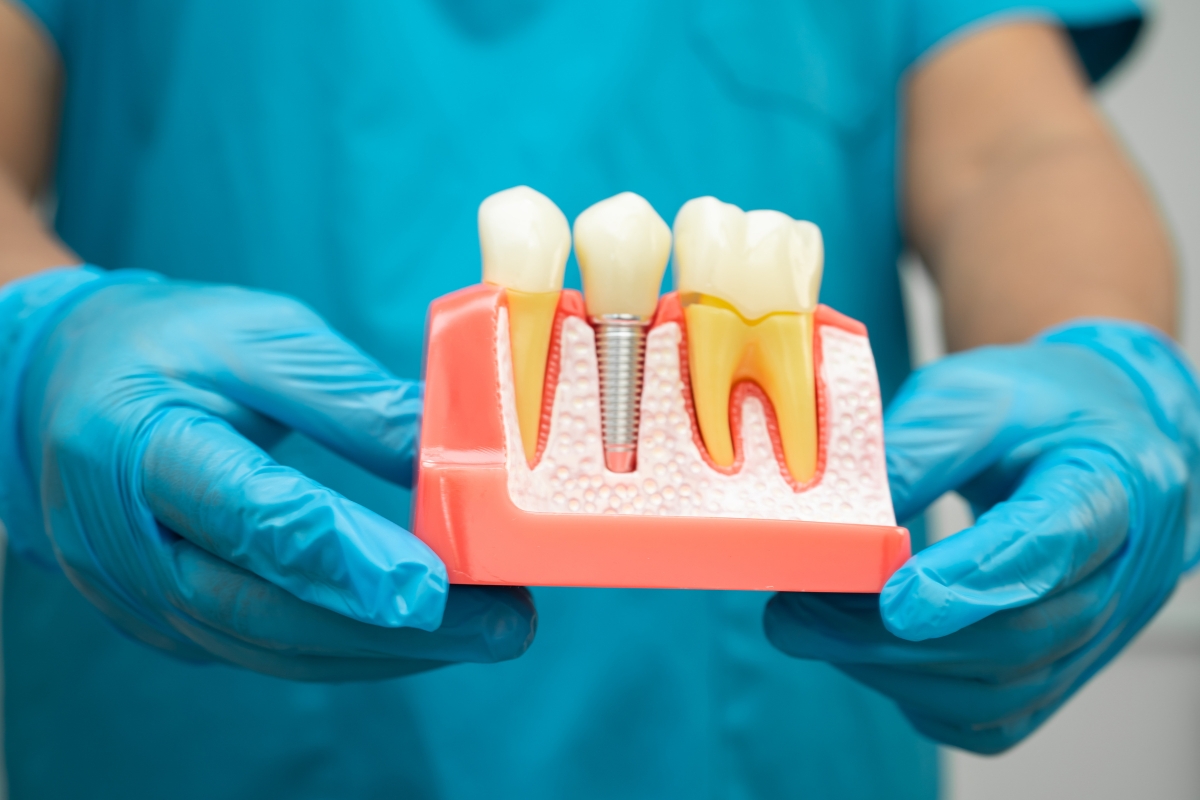
Dental implants are advanced solutions designed to replace missing teeth with long-lasting, natural-looking alternatives. An implant is made up of three main components: the titanium post, the abutment, and the crown.
The titanium post is surgically placed into the jawbone, serving as the tooth’s root. Over time, it fuses with the bone through a process called osseointegration, providing a stable base for the replacement tooth. The abutment is a connector that holds the crown in place. Finally, the crown is a custom-made, artificial tooth that is designed to blend seamlessly with your natural teeth in shape, size, and color.
Dental implants are considered one of the most reliable and durable tooth replacement options available today. Unlike dentures or bridges, implants provide a permanent solution that functions just like natural teeth, allowing you to speak, eat, and smile with confidence. With their durability and the ability to preserve jawbone health, implants are an excellent choice for many people looking to restore their smile.
Preparing for the Dental Implant Procedure
The journey to implants begins with an initial consultation. During this first visit, your dentist in Peabody will assess your overall oral health, taking time to understand the condition of your jawbone, teeth, and gums.
Diagnostic tools like X-rays or 3D scans are often used to get a detailed view of the bone structure and any underlying issues that may affect the implant placement. These images help the dentist determine if your jaw is strong enough to support the implant or if additional procedures, like a bone graft, may be necessary.
Following the assessment, your dentist will create a personalized treatment plan based on your individual needs. This plan takes into account the number of implants required, the type of implants needed, and any other oral health considerations that might affect the success of the procedure. The goal is to ensure that the entire process is as efficient, comfortable, and successful as possible.
Before the procedure, your dentist will also provide pre-surgery care instructions. You may need to follow certain guidelines, such as fasting for a few hours before the surgery or taking antibiotics to prevent infection. If you’re undergoing sedation or general anesthesia, it’s essential to arrange a ride home, as you may feel groggy after the procedure. By following these preparatory steps, you’ll help ensure a smooth experience and optimal recovery.
The Step-by-Step Process of a Dental Implant Procedure
Step 1: Administering Anesthesia
The dental implant procedure typically begins with the administration of local anesthesia to numb the treatment area. This ensures that you remain comfortable and pain-free during the procedure. For those who experience dental anxiety, your dentist may offer sedation options to help you relax and feel at ease throughout the process.
Step 2: Placement of the Implant Post
Once you’re comfortably numb, a Peabody dentist will make a small incision in the gum tissue to expose the underlying jawbone. The next step is the placement of the titanium post into the bone. This post serves as the root of the new tooth, and it is carefully inserted into the jawbone with precision. The incision is then closed with sutures, and the healing process begins.
Step 3: Healing and Osseointegration
After the post is placed, your body will begin the process of osseointegration, where the bone gradually fuses with the titanium implant. This integration is essential for creating a solid foundation for the artificial tooth. The healing period typically takes a few months, and during this time, it’s important to follow your dentist’s aftercare instructions to support proper healing.
Step 4: Placing the Abutment and Crown
Once the implant has fully integrated with the jawbone, your dentist will place an abutment on top of the implant post. The abutment acts as a connector, and once it is securely in place, a custom-made crown will be attached to it. The crown is carefully crafted to match the color, size, and shape of your natural teeth, ensuring a seamless and aesthetically pleasing result.
Post-Procedure Care and Recovery
After the dental implant procedure, the recovery process is crucial to ensure the implant integrates properly with the jawbone and heals without complications.
Recovery Timeline
The recovery timeline varies depending on the individual and the complexity of the procedure. Typically, it takes around 3 to 6 months for the implant to fully fuse with the jawbone through a process called osseointegration.
During this time, it’s essential to avoid putting excessive pressure on the implant to allow proper healing. Although the majority of the healing happens during this period, some mild discomfort, swelling, or bruising around the implant site may occur. These side effects typically subside within a few days to a week.
Aftercare Tips
Managing discomfort and ensuring proper care during recovery is key to a successful outcome. You can manage post-surgery discomfort by following your dentist’s advice, including taking over-the-counter pain relievers or prescribed medication.
Applying an ice pack to the affected area during the first 24 hours can help reduce swelling. During the initial healing period, avoid eating hard, chewy, or sticky foods that could irritate the surgical site. Stick to soft foods and liquids for the first few days.
Maintaining oral hygiene is also crucial. Your dentist may recommend using a gentle mouthwash or a saltwater rinse to keep the area clean without irritating it. Be sure to follow the specific cleaning instructions to avoid disrupting the healing process. Brushing your teeth should be done carefully, avoiding the surgical site initially until it has healed sufficiently.
Follow-up Visits
Follow-up appointments with your dentist are important to ensure the healing process is progressing as expected. These visits allow your dentist to monitor the osseointegration process, check for any complications, and ensure that the implant is secure before the abutment and crown are placed. Regular follow-up visits help identify and address any issues early, ensuring the long-term success of your dental implants.
Dental implants are a revolutionary solution for restoring missing teeth, providing a permanent, reliable, and natural-looking result. From the consultation to the post-surgery care, understanding the procedure can help alleviate any concerns you may have.
At Miél Dental Aesthetics, we specialize in providing personalized care and professional dental implant services. If you’re ready to take the next step towards a confident smile, schedule a consultation with us today to learn more about the benefits of dental implants and whether they’re the right solution for you.
Ask Anything about Dental Implants
How long does it take to recover from a dental implant?
Recovery typically takes 3 to 6 months, as the implant integrates with the jawbone. However, discomfort may subside within a few days to a week.
What can I eat after getting a dental implant?
After the procedure, stick to soft foods and liquids for the first few days. Avoid hard, chewy, or sticky foods that could irritate the implant site.
Will there be pain after the dental implant procedure?
Mild discomfort and swelling are common after the procedure but can usually be managed with pain relievers. Any pain typically subsides within a few days.
How should I care for my dental implant during recovery?
Follow your dentist’s instructions on oral hygiene, use a gentle mouthwash or saltwater rinse, and avoid brushing directly over the surgical site until it heals.
Why are follow-up appointments important after dental implant surgery?
Follow-up appointments allow your dentist to monitor healing, check for complications, and ensure the implant is securely integrated with the jawbone.