Losing a tooth is stressful — but hearing you may not have enough bone for a dental implant can feel even more confusing. Many patients assume implants are simply “placed into the gums.” In reality, implants rely on something much stronger: healthy jawbone.
Your jawbone works like a foundation for a house. When a tooth is missing for a long time, that foundation begins to shrink. The good news? Modern dentistry has a solution. Bone grafting can rebuild that support and make implants possible again.
Patients visiting a provider for Dental Implant Repair Peabody often discover that bone loss — not the implant itself — is the real underlying problem. Understanding why this happens helps you make confident decisions about treatment.
What Is Bone Loss After a Missing Tooth?
Your natural tooth root does more than help you chew. Every time you bite or speak, it stimulates the jawbone. This stimulation keeps bone cells active and healthy.
When a tooth is removed or lost:
-
The bone stops receiving pressure
-
The body assumes the bone is no longer needed
-
The jaw begins to shrink (called resorption)
This process starts surprisingly fast — sometimes within 3–6 months after extraction.
Common signs patients notice
-
Dentures suddenly feel loose
-
Face appears slightly sunken
-
Neighboring teeth begin tilting
-
Food traps in new spaces
-
Implants placed years ago start feeling unstable
Many North Shore residents don’t connect these symptoms to bone loss. They assume it’s normal aging. It’s not — it’s structural change.
Why Dental Implants Need Strong Bone
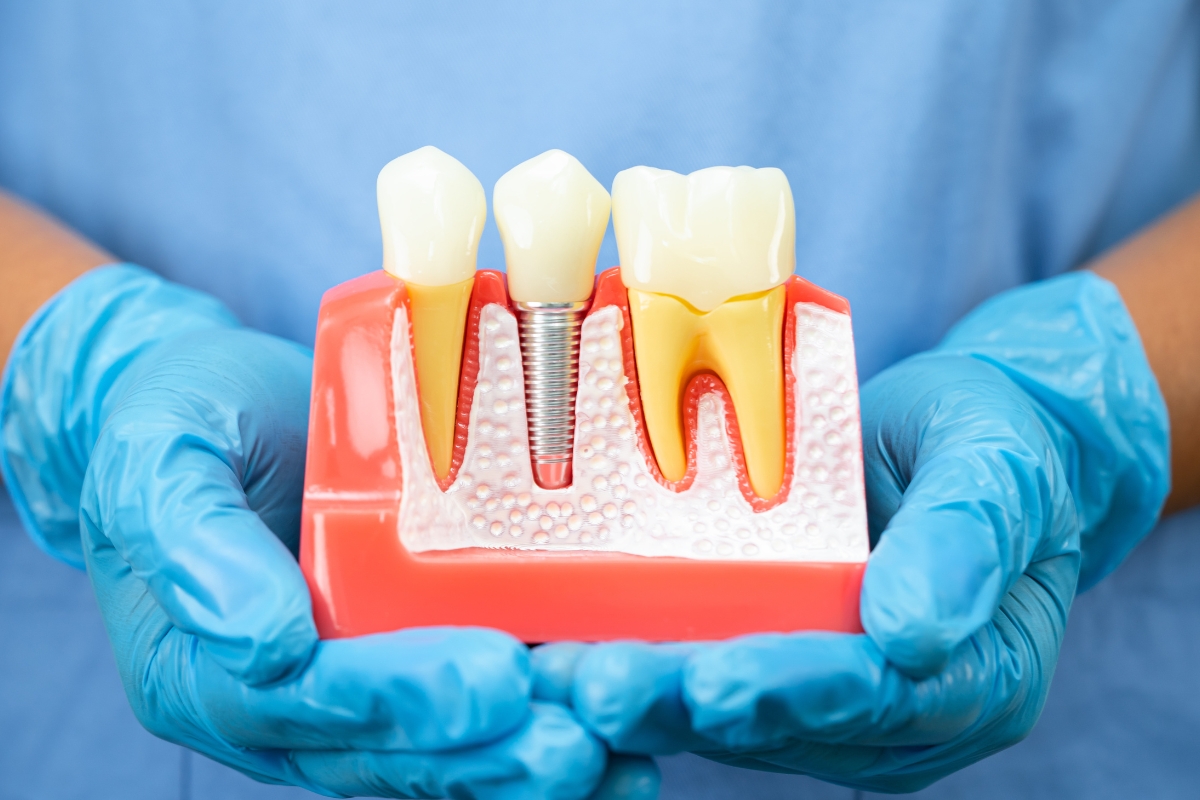
A dental implant is a titanium post placed into the jaw. Over several months, the bone bonds to it in a process called osseointegration.
Think of it like a tree root growing into soil.
If there isn’t enough bone:
-
The implant cannot anchor
-
Healing fails
-
The implant loosens
-
Biting pressure causes pain
This is why evaluation and imaging are always done first. When people seek help for Dental Implant Repair Peabody, imaging often reveals the implant itself is fine — the supporting bone has weakened.
What Is a Bone Graft?
Bone grafting is a procedure that rebuilds lost jawbone. It sounds complicated, but it’s actually very routine in implant dentistry.
A graft places safe, biocompatible material into the deficient area. Your body then:
-
Accepts the material
-
Sends healing cells
-
Creates new natural bone
After healing, the area becomes strong enough to support an implant.
Types of graft material used
-
Mineral-based synthetic grafts
-
Purified natural bone material
-
Your own bone (small amount in select cases)
Your dentist chooses based on the size and location of bone loss.
When Bone Grafting Is Recommended
You may need a graft if:
-
A tooth has been missing for years
-
You’ve worn dentures long-term
-
Gum disease damaged bone
-
A previous implant failed
-
Trauma or fracture occurred
-
A sinus cavity expanded in the upper jaw
Here’s something surprising:
Even people who recently lost a tooth sometimes need grafting. The upper back jaw (near molars) has naturally thinner bone.
Source: Teeth Talk Girl
The Procedure: What Patients Actually Experience
Many patients worry bone grafting is painful. It is usually easier than a tooth extraction.
Step-by-step
-
Area is numbed completely
-
The gum is gently opened
-
Graft material is placed
-
The site is protected and stitched
Most appointments take 45–60 minutes.
Aftercare is simple
-
Mild swelling for 2–3 days
-
Soft foods temporarily
-
Normal activities next day
People often compare recovery to a small filling rather than surgery.
Local tip: Patients in Peabody often find cold compresses helpful during New England winter when indoor heating causes dryness. Hydration actually improves healing.
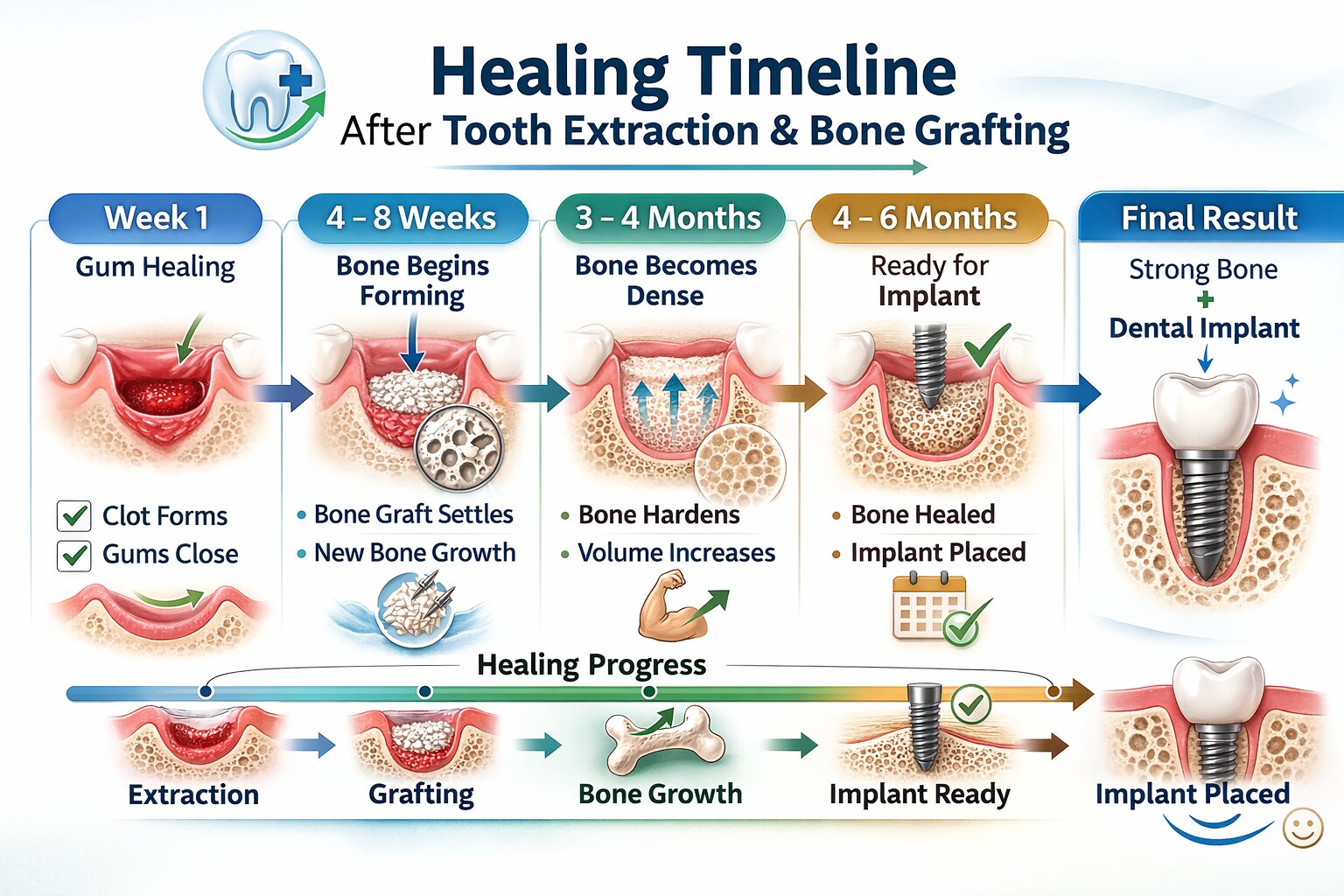
Healing Timeline
Bone grafting requires patience — but it is what makes implants long-lasting.
| Stage | What Happens |
|---|---|
| Week 1 | Gum healing |
| 4–8 Weeks | Bone begins forming |
| 3–4 Months | Bone becomes dense |
| 4–6 Months | Ready for implant |
Skipping grafting when needed is the main reason implants fail early.
Why Implants Sometimes Fail Without Grafting
An implant needs bone thickness AND height. Without both, pressure concentrates on a tiny area.
This leads to:
-
Micro-movement
-
Infection pockets
-
Bone recession
-
Loose implant crown
Patients visiting for Dental Implant Repair Peabody frequently learn that correcting the bone first solves the problem long-term rather than repeatedly fixing the crown.
Benefits of Bone Grafting
Functional benefits
-
Allows implant placement
-
Improves bite strength
-
Prevents shifting teeth
Health benefits
-
Stops further bone shrinkage
-
Supports facial structure
-
Helps speech clarity
Cosmetic benefits
-
Prevents “sunken cheeks”
-
Maintains natural smile shape
-
Better denture fit
Helpful Tips During Healing
-
Sleep slightly elevated first 2 nights
-
Avoid straws for one week
-
Choose soft foods (eggs, yogurt, pasta)
-
Avoid smoking or vaping
-
Do not poke the area with your tongue
Good food ideas local patients like:
-
Lukewarm clam chowder
-
Scrambled eggs
-
Mashed potatoes
-
Smoothies (no straw)
Common Ask
Is bone grafting safe?
Yes. The materials are sterile and widely used in modern dentistry. Complications are rare when aftercare is followed.
Will I be awake?
Yes, but fully numb. Many patients say it’s easier than a filling because there is less drilling sensation.
Does everyone need a graft before implants?
No. Only patients with insufficient bone volume.
Can I get an implant the same day?
Sometimes. If bone loss is minimal, grafting and implant placement may occur together.
Will insurance help?
In many cases, bone grafting is considered a necessary restorative procedure and may receive partial coverage depending on your plan.
Conclusion & Next Steps
Bone loss doesn’t mean implants are no longer an option. It simply means the foundation needs rebuilding first. Addressing the bone early often prevents bigger problems later and protects surrounding teeth as well.
If you’ve been told you’re not a candidate for implants, or you’re noticing looseness around an older implant, a proper evaluation can clarify the cause and outline solutions.
The team at Miel Dental Aesthetics Peabody focuses on restoring function and comfort, not just replacing teeth. A personalized exam and imaging review can determine whether grafting is needed and what your timeline would look like.
Book your appointment today and take the first step toward a stable, confident smile.