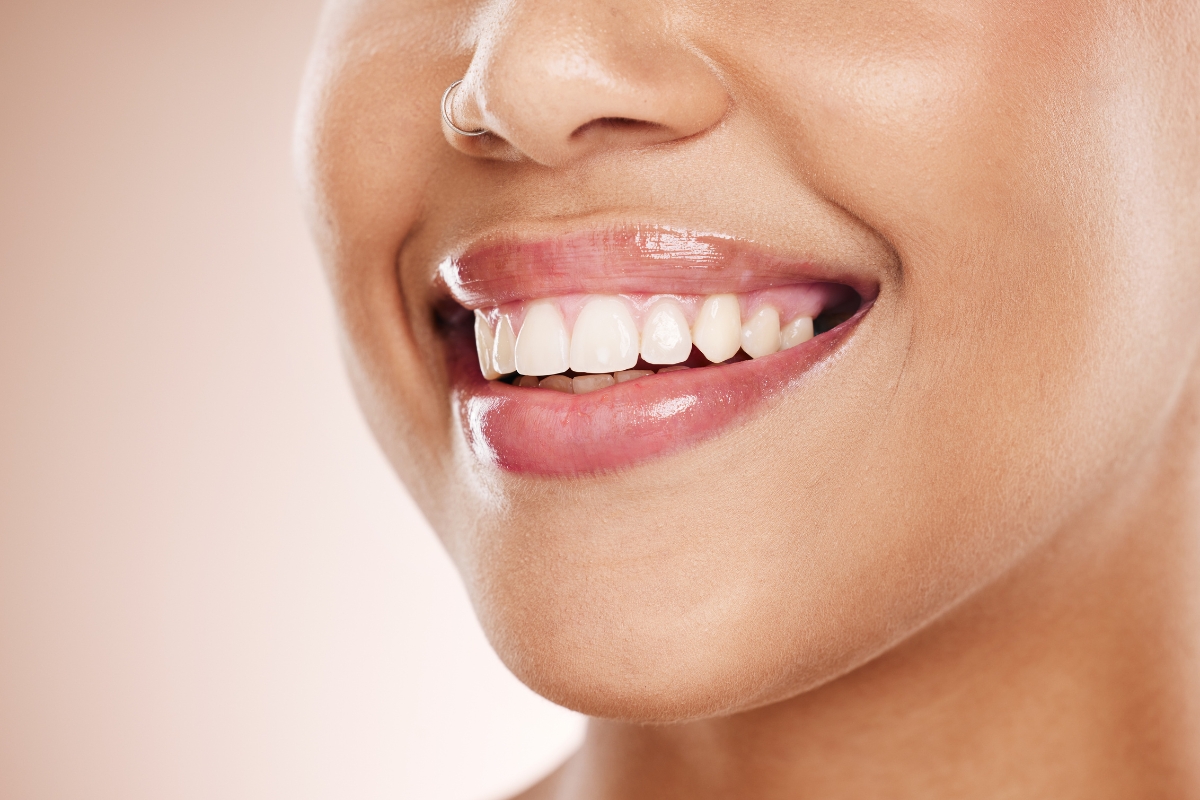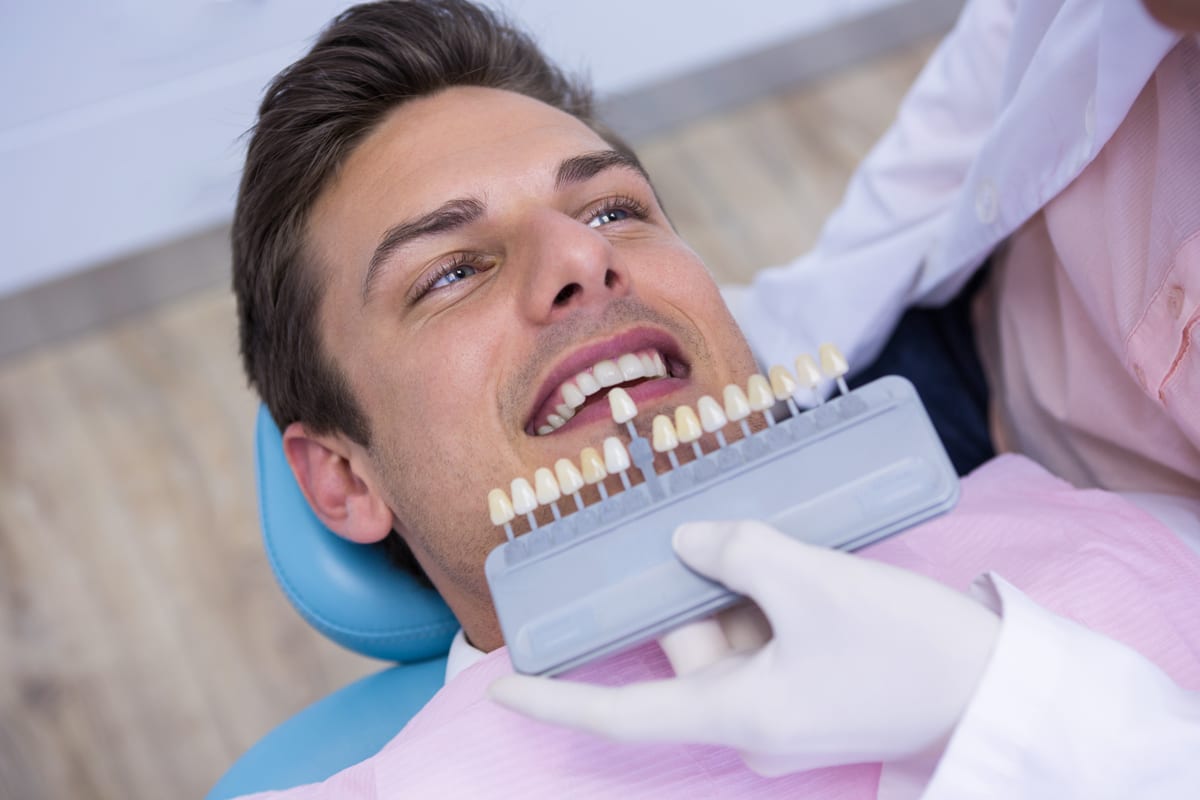
When it comes to transforming your smile, veneers are one of the most popular options available. If you have been researching porcelain vs. composite veneers — which lasts longer and costs less in Peabody — you are not alone. Many patients ask Dr. Melissa Torres this exact question. Understanding the key differences helps you make a confident, informed decision for your smile.
What Are Porcelain and Composite Veneers?
Veneers are thin shells placed over the front surface of your teeth. They correct chips, stains, gaps, and uneven shapes. Both porcelain and composite resin veneers achieve similar cosmetic goals — but through very different materials and processes.
Porcelain veneers are custom-crafted in a dental laboratory. They are made from ceramic material that closely mimics natural tooth enamel. The process typically requires two or more visits to complete.
Composite resin veneers are applied directly to your teeth using a tooth-colored bonding material. A skilled dentist sculpts and shapes them chair-side in a single appointment. They offer a faster, more affordable path to a refreshed smile.
Patients visiting our Cosmetic Dentistry Peabody practice often start by comparing these two options side by side. Both have clear advantages depending on your goals, budget, and timeline.
Aesthetics and Appearance: Porcelain vs. Composite Veneers in Peabody
Porcelain veneers are widely considered the gold standard for aesthetics. Their translucent quality closely replicates the light-reflecting properties of natural enamel. They resist staining from coffee, tea, and wine far better than composite resin.
Composite veneers have improved significantly in recent years. Modern composite resins offer a natural, attractive finish that most people cannot detect. However, they are more prone to discoloration over time, especially with heavy staining foods or beverages.
For patients who want the most lifelike, long-lasting aesthetic result, porcelain is typically the preferred choice. For patients who want a noticeable improvement quickly and affordably, composite delivers excellent results. Dr. Torres evaluates each patient’s unique smile to recommend the best fit.
Durability and Longevity: Which Option Lasts Longer?
Durability is one of the biggest factors patients consider. Here is how the two materials compare:
- Porcelain veneers typically last 10 to 20 years with proper care.
- Composite veneers generally last 5 to 7 years before needing replacement or repair.
- Porcelain is harder and more resistant to chipping under normal use.
- Composite is more prone to wear, especially in patients who grind their teeth.
- Both require good oral hygiene and regular dental checkups to maintain longevity.
Porcelain clearly wins the longevity category. Its stronger material resists daily wear and environmental staining more effectively. That said, composite veneers can be a smart long-term choice when maintained well and refreshed as needed.
Patients with bruxism — chronic teeth grinding — should discuss this with Dr. Torres before choosing either option. A night guard may be recommended alongside veneers to protect your investment.
Cost Comparison: Which Option Costs Less?
Cost is often the deciding factor for many Peabody patients. Here is a general breakdown to help set expectations:
- Porcelain veneers typically range from $900 to $2,500 per tooth.
- Composite veneers typically range from $250 to $1,500 per tooth.
- Composite costs less upfront but may need replacement sooner.
- Porcelain costs more initially but often proves more cost-effective over decades.
- The total cost depends on the number of teeth treated and complexity of your case.
When you calculate the long-term cost, porcelain may actually save money over 15 to 20 years. Composite veneers that need replacement every five to seven years can add up. Dr. Torres walks every patient through the numbers so there are no surprises.
The Procedure: What to Expect for Each Option
The process for getting veneers differs significantly between the two types. Knowing what to expect helps reduce any anxiety before your appointment.
For porcelain veneers: Dr. Torres will first prepare your teeth by removing a thin layer of enamel. Impressions are taken and sent to a dental lab. Temporary veneers protect your teeth while your custom porcelain shells are crafted. You return for a second appointment to bond the permanent veneers in place.
For composite veneers: Little to no enamel removal is typically required. The composite resin is applied directly to your teeth in layers. Dr. Torres sculpts, shapes, and polishes each veneer chair-side during a single visit. Most patients leave the office with a fully transformed smile the same day.
Composite veneers are also fully reversible in many cases, since minimal tooth structure is altered. Porcelain veneers are considered a permanent cosmetic commitment. Knowing this distinction helps patients choose the option that aligns with their comfort level.
Repairability: Can They Be Fixed If Damaged?
Accidents happen. Knowing whether your veneers can be repaired is important for long-term peace of mind.
Composite veneers can be repaired easily and quickly at your dental office. If a chip or crack occurs, Dr. Torres can add more composite resin and polish the area smooth. This repair process is typically fast and affordable.
Porcelain veneers, unfortunately, cannot be repaired once chipped or cracked. A damaged porcelain veneer must be fully replaced. This is a key factor to weigh when comparing your options.
If you lead an active lifestyle or play contact sports, composite may offer a more practical advantage. The ease of repair makes it a more flexible long-term solution for some patients. Always discuss your lifestyle with Dr. Torres to find the right match.
Which Veneer Is Right for You in Peabody?
There is no universal right answer — it depends on your goals, budget, and dental health. Both porcelain and composite veneers can deliver beautiful, confidence-boosting results. The best choice is the one that suits your individual needs and lifestyle.
If you want the most durable, stain-resistant, lifelike result and can commit to the investment, porcelain is an excellent choice. If you want a faster, more affordable, and reversible option, composite resin veneers deserve serious consideration.
Dr. Melissa Torres and the team at Miel Dental Aesthetics Peabody are here to guide you. We also offer comprehensive services like Emergency Dentistry Peabody for unexpected dental situations that may affect your veneers or overall oral health. Your smile is in expert hands every step of the way.
Ready to explore your veneer options with a trusted Peabody dentist? Book Now to schedule your appointment with our team.
Frequently Asked Questions
How long do porcelain veneers last compared to composite veneers?
Porcelain veneers typically last between 10 and 20 years with proper care. Composite veneers generally last 5 to 7 years before needing touch-ups or replacement. Porcelain wins on longevity, while composite offers easier and more affordable maintenance over time.
Are composite veneers a good option for fixing chips and discoloration?
Yes, composite veneers are an excellent option for correcting minor chips, cracks, and surface staining. They are applied in a single visit and require little to no enamel removal. They are especially popular for patients who want immediate, affordable cosmetic improvements.
Can I switch from composite to porcelain veneers later?
In most cases, yes. Because composite veneers require minimal tooth preparation, upgrading to porcelain later is possible. Dr. Torres will evaluate your teeth and discuss the best upgrade path based on your current dental health and cosmetic goals.
Do veneers require special maintenance or care?
Veneers do not require extensive special care beyond good oral hygiene practices. Brush twice daily, floss regularly, and visit Miel Dental Aesthetics Peabody for routine checkups. Avoiding hard foods and wearing a night guard if you grind your teeth will also help extend the life of your veneers.
Is the veneer procedure painful?
Most patients experience little to no discomfort during the veneer procedure. Local anesthesia is used during enamel preparation for porcelain veneers. Composite veneer placement is typically even gentler, as it usually requires no removal of tooth structure. Dr. Torres prioritizes patient comfort throughout every treatment.