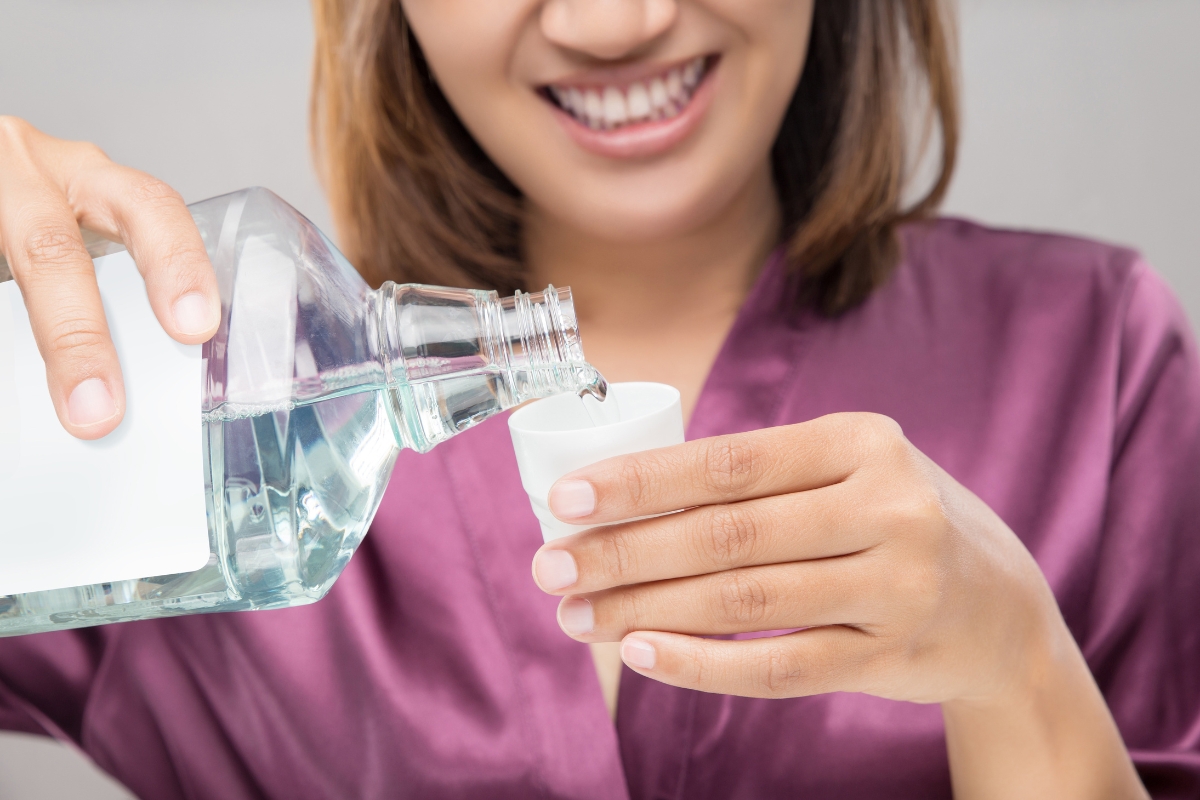
People ask this all the time: “Is mouthwash enough, or do I still need to brush and floss?” Mouthwash looks tempting, right? It’s everywhere—promising fresh breath and cleaner teeth in just a few seconds. But honestly, oral hygiene isn’t that simple. Swishing mouthwash can be helpful, sure, but it doesn’t replace the real work of brushing and flossing.
Why Mouthwash Alone Isn’t Enough for Dental Health
Mouthwash does have its perks—it freshens your breath and kills some bacteria. But it’s just one piece of the puzzle.
- First off, mouthwash mostly just touches the surfaces it flows over. It can’t scrape away food or plaque plugged between your teeth. Only brushing and flossing can get into those tight spots.
- The bigger problem? Plaque and tartar. These are the real troublemakers behind cavities and gum disease. Mouthwash isn’t strong enough to scrub away plaque. Brushing and flossing lift that stuff off your teeth, which is what keeps your mouth healthy.
- And about cavities and gum disease—don’t count on mouthwash to guard you there. Most rinses kill bacteria and make your mouth feel fresh. But they can’t strengthen your teeth like brushing with fluoride toothpaste can, and they don’t physically clean below the gumline.
- Brushing is the backbone of a healthy mouth. It removes food and plaque from your teeth and gums, reducing your risk of cavities and gum disease. Plus, fluoride in your toothpaste strengthens your teeth and makes them more resistant to decay. That’s something mouthwash just can’t do.
Flossing: The Missing Link in Oral Hygiene
Now, about flossing—lots of people skip it, but it’s just as important as brushing. Floss reaches those tight spots your toothbrush can’t. It removes plaque and debris that hide between your teeth, helping prevent cavities and gum disease before they start.
Flossing also keeps your gums healthy. Most gum disease starts with inflammation between the teeth, right where floss does its best work. Healthier gums keep your breath fresh and reduce the risk of issues that can even affect your heart.
Is mouthwash enough on its own?
Not even close. Here’s what a Peabody dentist-approved routine looks like:
- Brush your teeth twice a day with fluoride toothpaste to keep plaque and cavities at bay.
- Floss every day to clear out what your brush can’t reach.
- Use mouthwash as a finishing touch—it helps with bacteria and freshens your breath, but only after brushing and flossing.
Mouthwash is a nice add-on, but it’s never a substitute for brushing and flossing. If you haven’t seen your dentist in Peabody in a while, reach out to our dental office in Peabody. At Miel Dental Aesthetics, we’re here to help you keep your smile healthy and bright. Book your appointment today—we’d love to see you.
FAQs
- Can mouthwash replace brushing and flossing?
No, mouthwash should be used as a supplement, not a replacement for brushing and flossing. It doesn’t remove plaque or strengthen teeth like brushing and flossing do. - How often should I floss?
It’s recommended to floss once a day to remove plaque and food particles from between your teeth. - Is mouthwash safe for daily use?
Most mouthwashes are safe for daily use, but it’s essential to choose one that is alcohol-free and suitable for your oral health needs. - Can brushing alone keep my teeth healthy?
While brushing is essential, it’s not enough on its own. Flossing and regular dental visits are vital for maintaining optimal oral health.