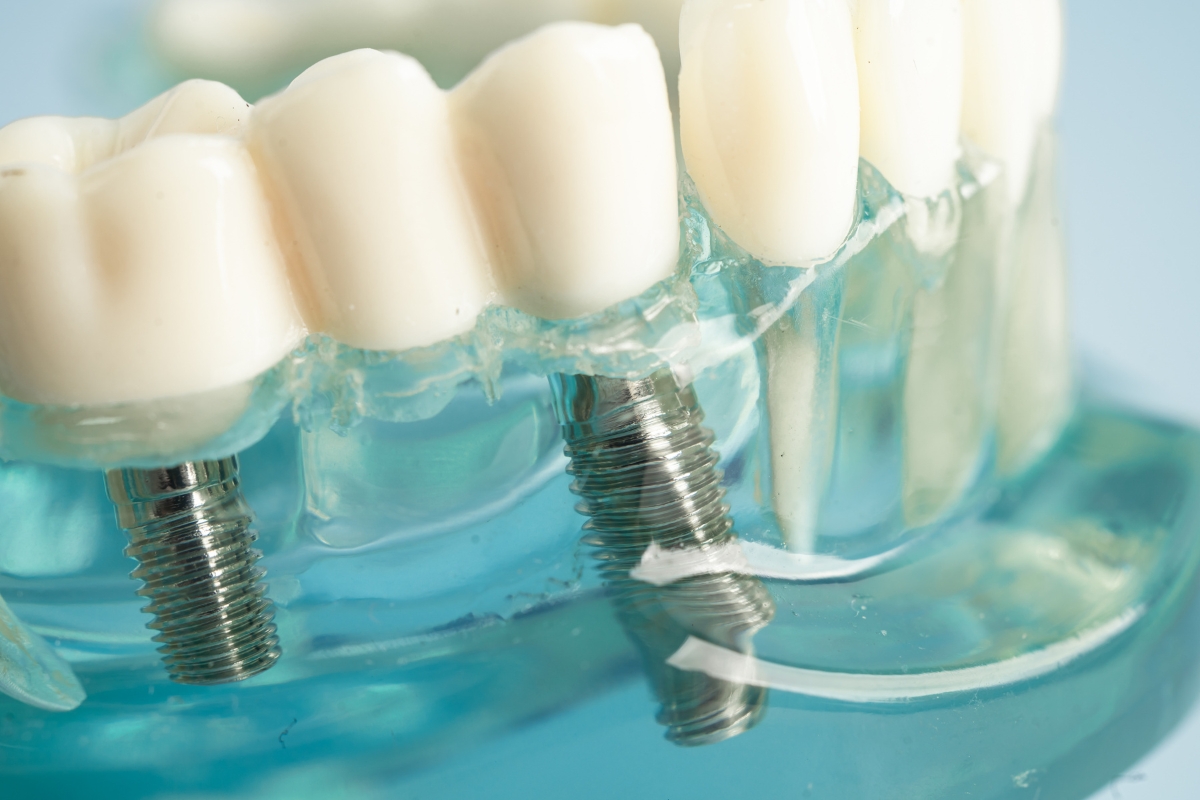
Dental implants are one of the most sophisticated and efficient techniques available for replacing missing teeth. Whether functional or aesthetic, they provide patients with a natural-looking smile and the confidence to eat. However, one issue patients with dental implants may face is pain. A certain degree of pain afterward is normal, but if your discomfort lingers or grows intense, something may be wrong.
If you are feeling pain near your dental implant, it is crucial that you understand the possible causes and what steps to take. Pain isn’t always a sign that your implant is failing, but it should be treated. In this blog, we will discuss the potential causes of pain and how to determine whether dental implant repairs are needed.
What Would Cause the Pain Around a Dental Implant?
After dental implant placement, mild pain or soreness around the area is normal, especially during healing. But if that discomfort persists long after the procedure, it could mean there’s something wrong with your implant itself or with surrounding tissues. Some typical causes of pain around dental implants include:
- Infection: This is the most common type of pain associated with a dental implant. It can occur if bacteria enter the space around the implant, which leads to swelling, redness, and tenderness. In some cases, there may even be pus, and the pain may worsen over time.
- Implant Failure: In some instances, the implant does not properly osseointegrate (fuse with the bone) and fails. Failing in this process leads to discomfort or painful treatment, in which the implant loosens and becomes unstable.
- Peri-implantitis: This is similar to gum disease, but it affects the tissues around implants due to poor oral hygiene. It can lead to pain, swelling, and bleeding gums.
- Nerve Damage: Nerve damage is another prevalent risk, which can occur during the implant procedure if performed incorrectly. This can lead to numbness, tingling, or chronic pain.
- Pressure/Overuse: Pain may sometimes result from excessive force applied to the implant during chewing or biting. Over time, this can stress the implant and surrounding bone, causing discomfort.
- Sinus Pain: If an implant is put into the upper jaw (especially back teeth), it might invade upward into the sinus cavity above, causing sinus problems. That can cause sinus pain or pressure.
When Should a Dental Implant be Repaired?
Repair is required when there is persistent pain or discomfort around the implant. Here are some signs that you may need dental implant repair in Peabody:
- Chronic Pain: After the initial few days post-procedure, some pain is common during recovery. However, if that discomfort persists beyond several weeks or if your gum tissue and jawbone are not improving as expected, it may be a sign that something went wrong during implantation or that there is a loss of integration.
- Swelling or Redness: If you notice any swelling, redness, or pain in the area around the implant, it can indicate infection or inflammation and should be assessed by a dental surgeon.
- Loosening or Movement: An implant that is moving or feels loose in the jaw is a clear indication that it has not fused properly with the bone. This will need to be repaired or even replaced.
- Bleeding or Gum Recession: If the gums surrounding your implant start to bleed frequently or recede, it may indicate peri-implantitis, a permissive disease that can lead to permanent damage to the implant if left untreated.
If you notice bad taste, pus in your mouth, or a fever, this may cause further damage to the implant. In such cases, you should go to the dentist immediately.
The Role of a Dental Surgeon in Repairing a Dental Implant
If you have had any of the symptoms above, consult a dental surgeon. Dr. Melissa Torres at Miél Dental Aesthetics addresses dental implant issues as delicately as possible. That process may include cleaning the implant beneath your gums, treating an infection in that area, or surgically removing the dental implant if clinical evidence supports replacement.
This makes bone grafting necessary if the surrounding bone tissue of a dental implant has become weak or deteriorated. Only a professional assessment can establish whether you need a repair and the optimal way to address discomfort while retaining the implant.
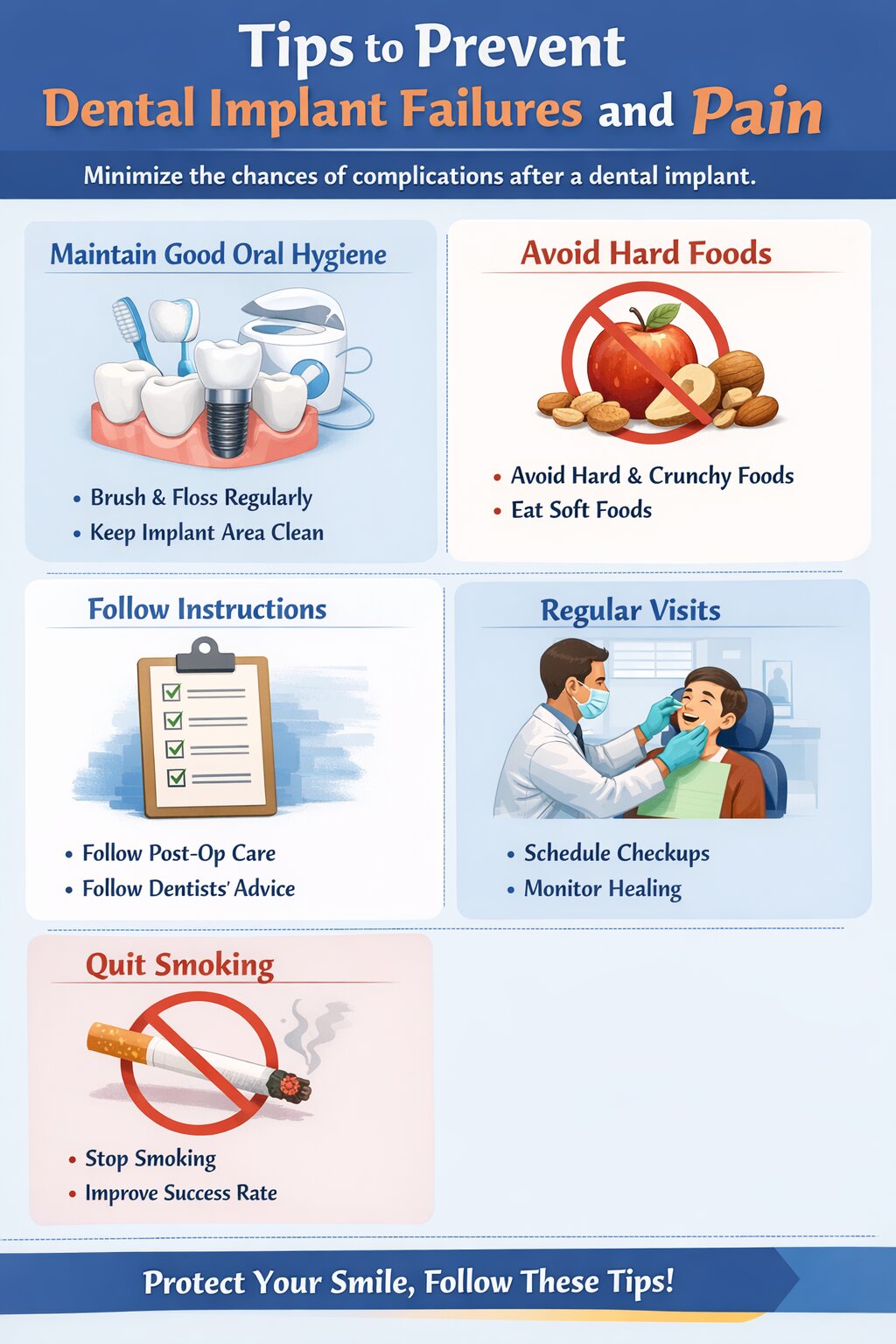
Tips to Prevent Dental Implant Failures and Pain
Some discomfort can’t be avoided immediately after a dental implant, but preventive steps can help you minimize the chances of complications:
- Maintain Good Oral Hygiene: As you can imagine, to avoid bacteria entering your implant site, it is important that you practice good oral hygiene. Brush and floss regularly, making sure to clean around the implant very well.
- Avoid Hard Foods: For a few weeks, avoid hard or crunchy foods that may put pressure on the implant.
- Follow Instructions: Follow your dentist’s post-operative instructions closely. Following these instructions closely will facilitate the healing process and reduce the chance of complications.
- Regular Visits: Routine checkups allow your dentist to monitor your implant’s performance and catch issues early.
- Quit Smoking: Smokers have a higher risk of infection and implant failure. If you are unable to quit before and after the procedure, there is substantial evidence that smoking cessation improves your chances of a good result.
How to Know You Need a Dental Implant Repair?
Ignoring dental implant pain near the implant site is not recommended. Some soreness is normal as you heal, but pain that lingers longer could signal a problem that needs your dentist’s attention. Are you feeling pain or discomfort in an oral implant? This can make it more difficult for your implant to survive and may even reduce the longevity of this investment.
If you are in Peabody and concerned about your dental implant or need assistance with the potential repair, contact Miel Dental Aesthetics today! Our professional team strives to achieve total dental wellness and ensure your smile stays strong and healthy!
Questions People Ask About Dental Implant Repair
- What causes pain around dental implants?
Pain around dental implants may result from infection, improper osseointegration, peri-implantitis, nerve damage, or pressure from chewing. Identifying the cause early can help prevent further complications and ensure effective treatment. - How can I tell if my dental implant is failing?
Implant failure can be indicated by persistent pain, swelling, looseness, or gum recession. If you notice these symptoms, it’s essential to consult with your dental surgeon promptly to prevent further damage and possible implant loss. - Is it normal for my dental implant to hurt?
Mild discomfort after the procedure is normal during the healing phase. However, if the pain lasts longer than expected or intensifies, it may indicate a problem that requires professional evaluation and possibly dental implant repair. - Can an infected dental implant be repaired?
Yes, infected dental implants can usually be treated with deep cleaning and antibiotics. In some cases, the implant might need to be removed and replaced. Early intervention is essential to prevent bone loss and further complications. - What should I do if my dental implant feels loose?
A loose implant often suggests that it hasn’t properly fused with the jawbone. Contact your dental surgeon immediately to assess the implant, as this may require repair, adjustment, or even removal and replacement to ensure stability. - How can I avoid complications with my dental implant?
Prevent complications by practicing good oral hygiene, following aftercare instructions, avoiding hard foods, and attending regular check-ups. These habits ensure the implant heals correctly and remains secure, reducing the risk of pain or other issues.