If you’ve ever wondered, will teeth whitening actually work for you? A dentist’s honest guide Peabody patients need is right here. The short answer is: it depends. Whitening works beautifully for some people and barely at all for others. Understanding which category you fall into can save you time, money, and disappointment. Dr. Melissa Torres at Miel Dental Aesthetics Peabody breaks it all down below.
How Teeth Whitening Actually Works
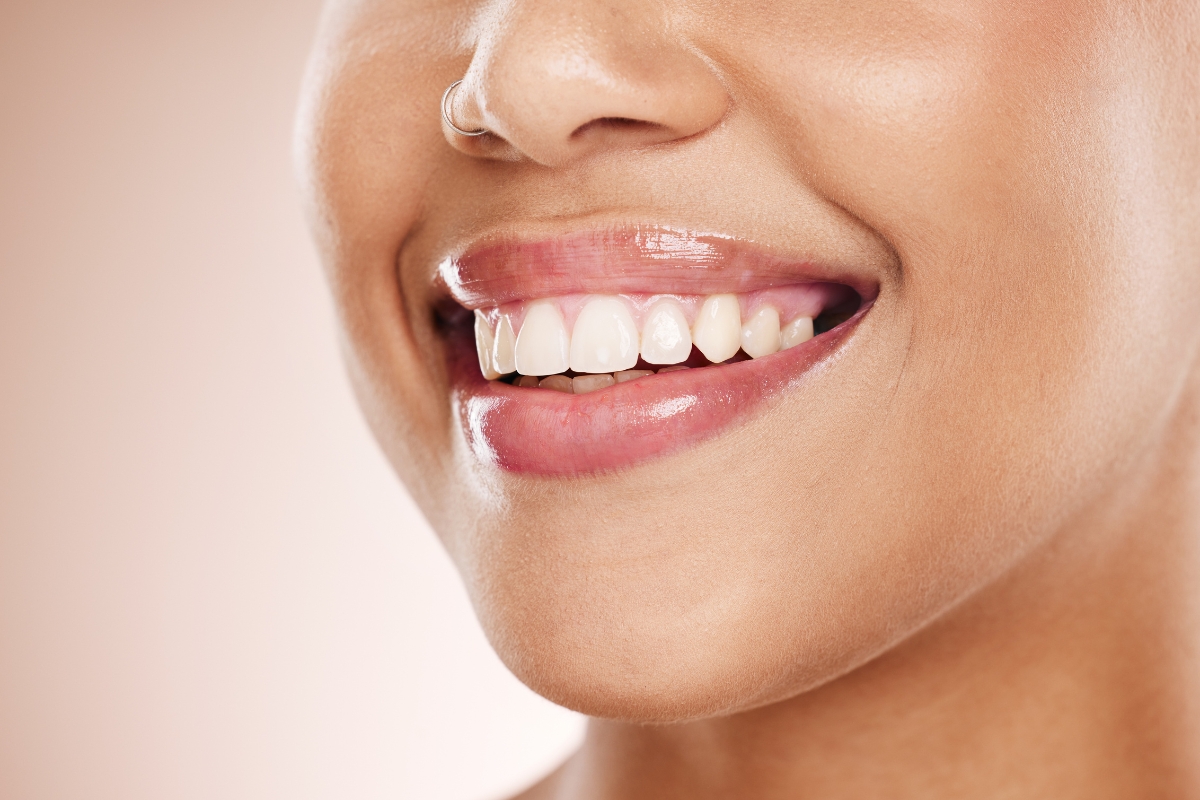
Most whitening treatments use peroxide-based bleaching agents. These agents penetrate the outer enamel layer of your tooth. They break apart stain molecules that have built up over time. The result is a brighter, lighter-looking smile.
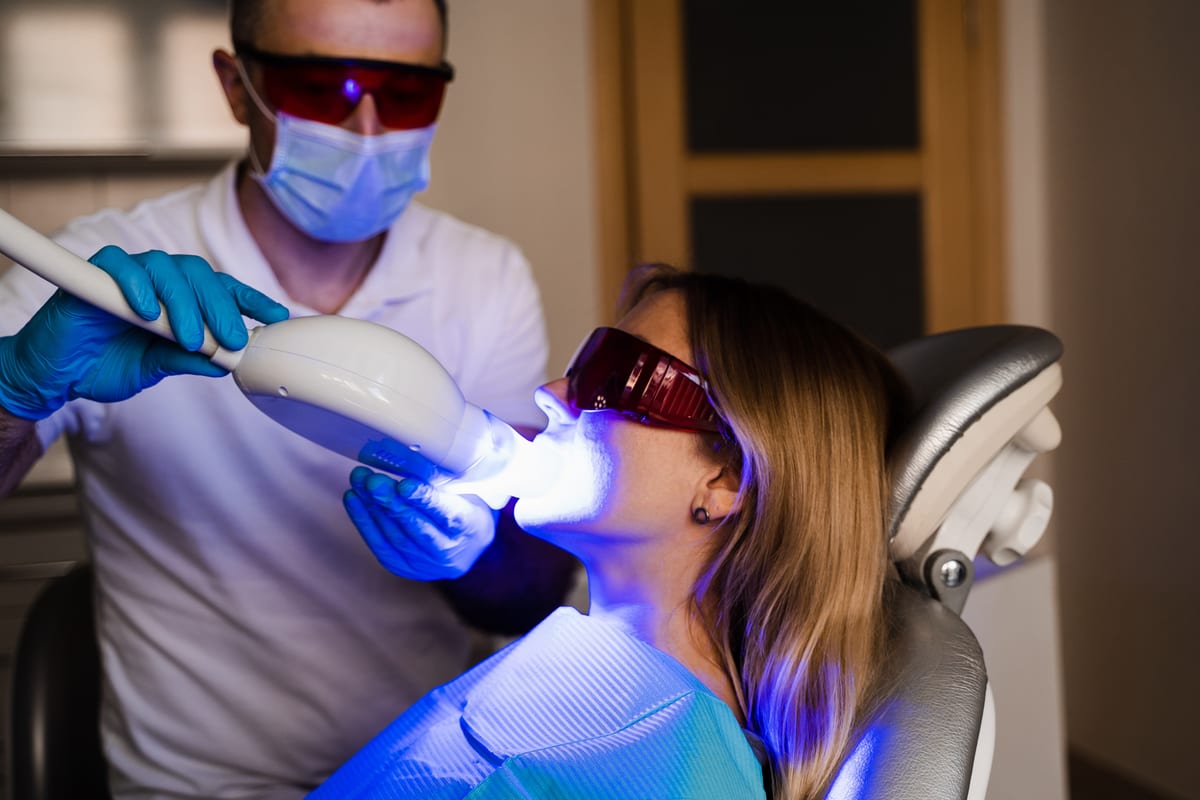
Professional whitening uses stronger concentrations than over-the-counter products. That means faster, more noticeable results. However, the treatment only works on natural tooth enamel. It cannot change the color of dental work like crowns, veneers, or fillings.
There are two main types of tooth stains. Extrinsic stains sit on the surface and respond well to whitening. Intrinsic stains are deeper inside the tooth structure and are much harder to treat.
Who Gets the Best Whitening Results in Peabody
Not everyone is an ideal candidate for teeth whitening. The best candidates share a few key traits. Knowing these traits helps you set realistic expectations before starting treatment.
You are likely a great candidate if you have:
- Yellow or light brown surface stains from coffee, tea, or red wine
- Staining from tobacco use on otherwise healthy teeth
- Natural teeth with no crowns or veneers in your smile zone
- Healthy gums and no active tooth decay
- Enamel that is not severely worn or thinned
If most of those points apply to you, whitening will likely deliver strong results. Dr. Torres recommends a professional consultation first. A quick exam confirms your oral health is ready for treatment.
Who May Not Respond Well to Whitening
Some patients invest in whitening and feel let down by minimal change. This is not a product failure. It often means a different type of staining is present. Understanding why helps you choose a better path forward.
Whitening tends to underperform or fail entirely in these situations:
- Intrinsic stains: These form inside the tooth during development or after injury
- Tetracycline staining: Antibiotic use during childhood can cause deep gray or brown banding
- Fluorosis: Excess fluoride during tooth development creates white spots or brown patches
- Existing dental restorations: Crowns, veneers, bonding, and composite fillings do not bleach
- Gray-toned teeth: Gray discoloration responds much less to peroxide than yellow tones
If you have crowns or veneers in visible areas, whitening the surrounding natural teeth can create a mismatch. Your dentist needs to evaluate this carefully. In some cases, replacing old restorations may be the better solution.
Medication-induced staining is a special category. Tetracycline antibiotics taken before age eight can permanently discolor developing teeth. This type of stain sits deep within the dentin. Whitening rarely improves it significantly, and alternative cosmetic options work better.
Better Alternatives When Whitening Is Not the Right Fit
If whitening is not your best option, you still have excellent paths to a brighter smile. Cosmetic Dentistry Peabody patients trust at Miel Dental Aesthetics includes several highly effective alternatives. The right choice depends on the cause and depth of your discoloration.
For intrinsic stains or tetracycline discoloration, porcelain veneers are often the gold standard. Veneers cover the front surface of the tooth entirely. They mask deep staining that bleaching cannot reach. They also allow precise shade matching for a completely uniform result.
Dental bonding is a more affordable option for isolated stains or small discolored areas. Composite resin is applied and sculpted directly onto the tooth. It blends with surrounding teeth for a natural appearance. Bonding typically takes a single appointment to complete.
For patients whose restorations have aged and no longer match their smile, updating them creates a more consistent look. Your dentist can match new crowns or bonding to your desired shade. This approach improves both aesthetics and overall dental function.
What to Expect at Your Whitening Consultation in Peabody
A professional whitening consultation at Miel Dental Aesthetics is thorough and judgment-free. Dr. Torres examines your teeth, gums, and any existing restorations. She identifies your stain type and its likely cause. This evaluation is the foundation of a treatment plan that actually works for you.
During your consultation, you can expect:
- A full visual examination of your teeth and gum health
- A review of your dental history, including past restorations and medications
- An honest assessment of whether whitening will meet your goals
- A discussion of alternative options if whitening is not the best fit
- A customized plan with realistic outcome expectations
If you are a strong candidate, professional in-office whitening or custom take-home trays may be recommended. Both deliver results that far exceed drugstore strips. Your dentist monitors the process to protect your enamel and gum tissue throughout.
Sensitivity is a common concern. Some patients experience temporary tooth sensitivity during or after treatment. Dr. Torres discusses strategies to minimize this before you begin. Sensitivity typically resolves within a day or two after completing treatment.
If you ever experience sudden tooth pain or other urgent concerns during treatment, know that Emergency Dentistry Peabody patients rely on is available at Miel Dental Aesthetics. Your comfort and safety always come first.
Making the Right Decision for Your Smile
Teeth whitening is one of the most requested cosmetic treatments in dentistry. It produces stunning results for the right candidates. But the key word is right. Rushing into treatment without knowing your candidacy wastes effort and money.
Dr. Melissa Torres believes every patient deserves honest, personalized guidance. Her goal is never to sell you a service. Her goal is to help you achieve a smile you genuinely love. That sometimes means recommending whitening — and sometimes recommending something better suited to your needs.
If you live in or near Peabody, MA and are curious about your options, start with a consultation. You deserve answers grounded in real dental expertise. Book Now to schedule your appointment with our team.
Frequently Asked Questions
Does teeth whitening work on all types of stains?
No. Whitening works best on extrinsic stains from food, beverages, and tobacco. It is much less effective on intrinsic stains, tetracycline discoloration, fluorosis, or gray-toned discoloration. A dentist can determine which type of staining you have before you invest in treatment.
Will whitening change the color of my crowns or veneers?
Whitening does not affect crowns, veneers, dental bonding, or composite fillings. These materials do not respond to peroxide-based bleaching agents. If you whiten your natural teeth, it may create a visible color mismatch with your existing restorations. Your dentist should evaluate this before treatment begins.
Is professional whitening safer than over-the-counter products?
Professional whitening is performed under dental supervision, which significantly reduces the risk of overuse or enamel damage. Your dentist customizes the concentration and duration of treatment to suit your teeth. Over-the-counter products can be inconsistent and may cause gum irritation if not used correctly.
How long do whitening results typically last?
Results vary based on your diet, habits, and oral hygiene routine. Most patients enjoy noticeable results for one to three years. Avoiding staining foods and beverages, not smoking, and maintaining regular cleanings all help extend your results. Touch-up treatments can refresh your shade as needed.
What if whitening does not work for my stain type?
If whitening is not the right fit, cosmetic options like porcelain veneers or dental bonding can effectively cover deep or resistant stains. These treatments provide long-lasting color improvement and can be matched precisely to your desired shade. Dr. Torres will walk you through which option makes the most sense for your specific situation.